

Advancing understanding, informing engagement, and shaping pathways to peace
IPRIF conducts applied, interdisciplinary research focused on the human dimensions of peacebuilding, examining how patterns of thought, social structures, and cultural dynamics influence conflict, cohesion, and long-term societal stability.
The organisation’s research is designed not only to generate insight, but to inform practice, strengthen programmes, and contribute to broader conversations on peace, development, and societal progress.
It places particular emphasis on how perspectives are formed and shaped across different stages of life, including the role of early exposure, learning environments, and social experiences in influencing how individuals understand and engage with the world.
Research Purpose
IPRIF’s research seeks to deepen understanding of the relationships between individual development, societal conditions, and long-term stability.
It explores how early experiences, environmental influences, and social contexts shape behaviour, perception, and decision-making, and how these factors collectively contribute to either cohesion or conflict within communities.
Through this work, IPRIF aims to contribute to more informed approaches to peacebuilding, grounded in both human experience and structured inquiry.
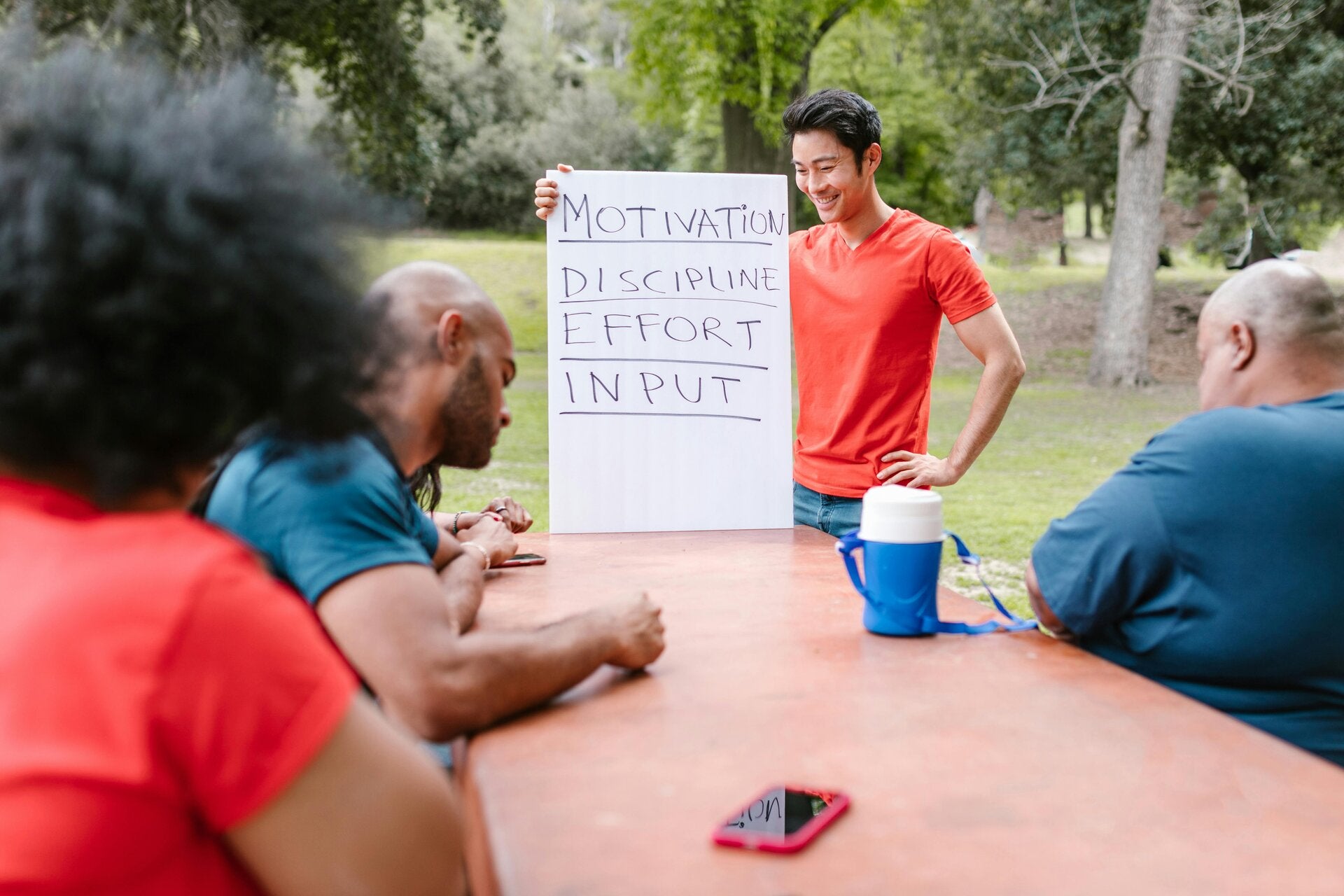
Our Research Approach
IPRIF adopts an approach that integrates intellectual inquiry with real-world relevance, ensuring that research is both rigorous and applicable across diverse contexts.
Interdisciplinary Exploration
The International Peace Research Institute & Forums (IPRIF) adopts an interdisciplinary approach that draws from social sciences, behavioural studies, cultural analysis, and community-based insights to develop a comprehensive understanding of societal dynamics.
Human-Centred Understanding
The International Peace Research Institute & Forums (IPRIF) applies a human-centred approach that examines how individuals think, behave, and interact within their environments, recognising the role of mindset in shaping outcomes.
Evidence-Based Engagement
The International Peace Research Institute & Forums (IPRIF) grounds its research in structured analysis, observation, and lived experiences to ensure credibility and practical relevance.
Accessible Knowledge
The International Peace Research Institute & Forums (IPRIF) presents research in clear and engaging formats that enable understanding and participation across academic, institutional, and community settings.
Sustainability and Long-Term Relevance
The International Peace Research Institute & Forums (IPRIF) positions research as a continuous contributor to dialogue, learning, and peacebuilding across generations.
FOCUS AREAS
IPRIF’s research focuses on key areas that explore the relationships between individual development, societal dynamics, and long-term peace and stability.
Youth Development & Civic Responsibility
IPRIF examines how children and young people develop identity, responsibility, and engagement within society, and the role of structured programmes and environments in shaping civic awareness and participation..
Religion & Peacebuilding
IPRIF explores the role of faith, belief systems, and religious institutions in fostering dialogue, cooperation, ethical reflection, and social stability across diverse communities.
Cross-Cultural Understanding & Bias
IPRIF investigates how perceptions, assumptions, and cultural differences influence interaction, decision-making, conflict, and collaboration, and how greater awareness can support more constructive engagement.
Education for Peace & Conflict Prevention
IPRIF studiesi how formal and informal learning environments can support critical thinking, conflict resolution, and the development of perspectives that contribute to long-term peacebuilding.
Community Healing & Social Resilience
IPRIF understands how communities respond to conflict, trauma, and social disruption, and how resilience, trust, and cohesion can be strengthened over time.
Research and the Youth Development Pathway
IPRIF recognises the importance of introducing inquiry and structured thinking early in life.
Through its Youth Research Ecosystem, children and young people are progressively introduced to research in age-appropriate ways, enabling them to explore ideas, ask meaningful questions, and develop open and informed perspectives.
This creates a continuous pathway:
- Early exposure and guided exploration in childhood
- Leading to structured inquiry and critical engagement in youth
- Evolving into deeper research, contribution, and leadership over time
Contribution to Global Priorities
IPRIF aligns its research, programmes, and institutional work with global efforts to advance peace, equity, and sustainable development.
This alignment is structured through clearly defined areas of focus, guided by a practical way of thinking and engagement, and reflected in measurable outcomes.
SDG 4 – Quality Education
IPRIF delivers structured, age-appropriate learning pathways that develop critical thinking, awareness, and informed engagement among children and young people.
SDG 16 – Peace, Justice and Strong Institutions
IPRIF conducts research and facilitates dialogue that deepen understanding, strengthen ethical reasoning, and prepare individuals to participate responsibly in society.
SDG 17 – Partnerships for the Goals
IPRIF establishes and sustains collaborations with institutions, communities, and stakeholders to expand access to its work and strengthen collective impact.
Our Outcomes
SDG 3 – Good Health and Well-being
IPRIF strengthens mental, emotional, and social well being by enabling individuals, particularly children and young people, to navigate stress, engage across cultures holistically, and interact with others in ways that promote understanding, respect, and positive social relationships.
SDG 5 – Gender Equality
IPRIF ensures inclusive participation across its programmes, creating equitable opportunities for engagement and representation.
SDG 10 – Reduced Inequalities
IPRIF expands access to knowledge, participation, and meaningful engagement by actively including individuals and communities from diverse backgrounds and contexts.
Research Outputs
IPRIF disseminates its research through a range of outputs designed to inform both practice and policy.
- Reports and publications
- Policy briefs
- Programme evaluations
- Dialogue forums and conferences
From Research to Practice
Research at IPRIF is closely connected to its programmes and initiatives.
Insights generated through research contribute to:
- Programme design and refinement
- Community and youth engagement strategies
- Dialogue platforms and forums
- Publications and thought leadership
This ensures that knowledge is not isolated, but actively informs and strengthens real-world engagement.